

If you have ever read the back of an energy supplement, you have probably seen CoQ10 near the top of the list and wondered what it is. It is not a stimulant, it is not an herb, and it is not a vitamin in the strict sense. It is something your body already makes. So why put it in a formula?
What CoQ10 actually is
CoQ10 is short for coenzyme Q10. It is a fat-soluble compound found in nearly every cell in the body, with the highest amounts in tissues that use a lot of energy, such as the heart muscle, the liver and skeletal muscle. You may also see it called ubiquinone, a name that comes from "ubiquitous", because it is found almost everywhere in the body.
Your body makes its own CoQ10, and you get small amounts from food: organ meats, oily fish such as salmon and sardines, beef, chicken, nuts and some oils. Research suggests the body's own production tends to decline as we get older, which is one reason people look at it as a supplement.
What it does in your cells
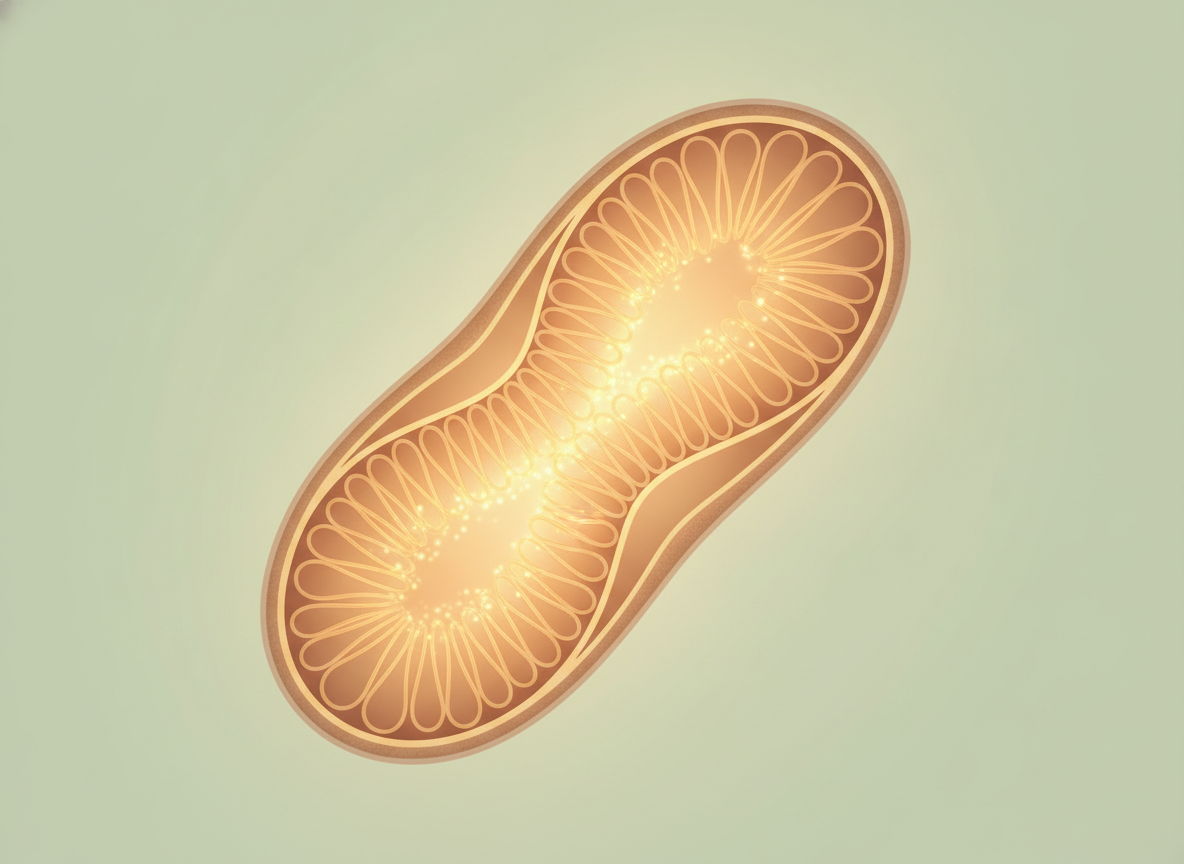
Inside each cell are mitochondria, the small structures that turn the food you eat into ATP, the molecule cells use as fuel. That conversion happens along a chain of steps on the mitochondria's inner membrane, and CoQ10 is one of the carriers that passes electrons from one step to the next. Without enough of it in place, that chain does not run as smoothly.
CoQ10 also works as an antioxidant. Making energy produces by-products that can stress cells, and CoQ10 helps support the cell's normal defences against that oxidative stress, including in the cell membranes where it sits.
That is the honest reason it belongs in an energy formula. It does not hand you a jolt the way caffeine does. It supports the normal process your cells use to produce energy in the first place.
Why it sits in the morning packet
In Foundations Energy Health Support, CoQ10 is part of the morning packet, alongside green tea extract (EGCG) and omega-3s. The placement is practical rather than magic:
- CoQ10 is fat-soluble. Like vitamins A, D, E and K, it is absorbed best alongside some dietary fat, so it belongs with a meal.
- Breakfast is the easiest meal to be consistent with. Tying the packet to the same meal every day makes it much harder to forget.
- It is not a stimulant, so there is no reason to save it for a particular hour. The morning slot is about routine, not about timing it to your busiest part of the day.

How to take it so it does its job
A few practical points make a real difference with an ingredient like this:
- Take it with a meal, not on an empty stomach. Eggs, yogurt, avocado, nuts, salmon or a little olive oil all give a fat-soluble ingredient something to travel with.
- Be consistent. Your cells reuse CoQ10 over and over, but the levels you get from a supplement build up over days of steady use and drift back down after you stop. Daily intake is what keeps them up.
- Give it a few weeks. Ingredients that support cellular processes work in the background. Judge a routine over a month rather than a morning.
Who should check first
CoQ10 is generally well tolerated, but it is not right for everyone without a conversation first. If you take any prescription medication, especially a blood thinner or medication that affects blood pressure or blood sugar, or if you are pregnant or nursing, talk with your healthcare provider before adding it. Never stop or change a medication on your own because you have started a supplement.
The short answer
CoQ10 is in an energy supplement because it is one of the molecules your cells use to make energy. It supports the mitochondria's normal energy production and helps maintain the cell's antioxidant defences. It is not a stimulant, it is best taken with food, and steady daily use is what keeps your levels up. That is why it sits in the morning packet of Foundations Energy Health Support, taken with breakfast.
These statements have not been evaluated by the Food and Drug Administration. This product is not intended to diagnose, treat, cure, or prevent any disease.